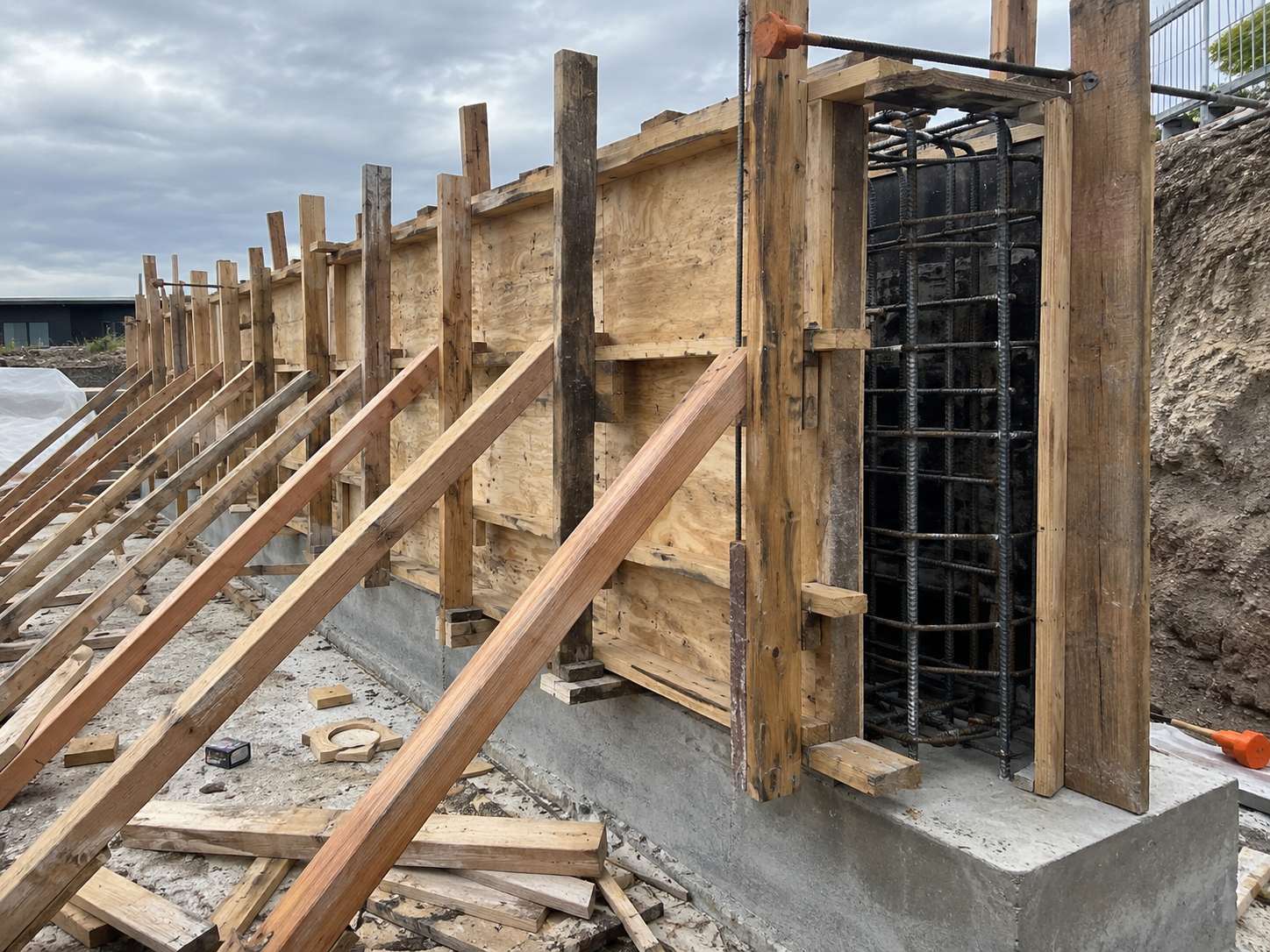
Retaining Wall Stabilisation in Lower Hutt
Top Retaining Walls Lower Hutt stabilises retaining walls that are moving. Rather than demolishing and rebuilding, stabilisation adds capacity to the existing structure or takes load off it, which on the right wall is faster, cheaper and far less disruptive.
- Stops movement without a full rebuild
- Anchors, props, buttresses and load relief
- Engineered, because a moving wall is a live problem
Get your free quote
Four quick questions. Most quotes come back within a couple of days.
It is not the answer everywhere. Stabilising a wall that is fundamentally sound but under capacity makes sense. Stabilising a wall with rotten posts or a failed footing is putting money into something that is going to come down anyway. The assessment decides which one you have.
Retaining wall stabilisation techniques, from anchors to load relief
Ground anchors
Drilled and grouted back into stable ground behind the failure wedge and connected through the wall face. Adds real capacity to an existing wall without touching the ground in front, and the anchors are proof tested before the wall is relied on.
Props and buttresses
Where there is something to prop against, or room to build buttresses at intervals, the wall goes from cantilever to supported. The the Hutt Valley earthquake evidence favours this arrangement.
Load relief
Removing material from behind the wall, lightening the fill, or regrading the slope above so the wall carries less. Often the fastest way to stop active movement.
Drainage
Where the movement is water driven, retrofitting drainage removes the load rather than resisting it. Always worth checking before anything structural is designed.
When stabilising a retaining wall is the wrong answer
Rotten posts. A cracked or rotated footing. A wall built without a footing at all. Material that has already been lost from behind the wall. In those cases stabilisation is money spent twice, and we will tell you so.
The engineering behind retaining wall stabilisation
A moving wall is a live problem, so this is engineered work with a design, a consent where required, and verification. Anchor testing records, prop design and any regrading all form part of the documentation.
Wall Stabilisation at a glance
- Techniques
- Ground anchors, props and buttresses, load relief, drainage retrofit
- Best for
- Walls that are structurally sound but under capacity
- Not suitable
- Rotten posts, cracked or rotated footings, walls with no footing
- First check
- Whether the movement is water driven and drainage would remove the load
- Verification
- Anchors proof tested, work engineered and documented
- Advantage
- Faster, cheaper and less disruptive than a rebuild where it applies
Wall Stabilisation in Lower Hutt: common questions
Can a moving wall be saved without rebuilding?
Often yes, with anchors, propping or load relief, provided the structure itself is sound.
What is the fastest way to stop movement?
Taking load off. Removing material from behind the wall works quickly and buys time for a designed solution.
When is stabilisation not worth it?
Rotten posts, a failed footing, or a wall that never had one. Then it is money spent twice.
Is it engineered work?
Yes. A moving wall is a live problem and this is designed, consented where required, and verified.
Is stabilising cheaper than rebuilding a retaining wall?
Where it applies, considerably, because you are adding capacity to an existing structure rather than removing and replacing one. It also avoids opening the bank, which on a steep site is the expensive and disruptive part. It only applies where the wall itself is sound.
How quickly can a moving wall be made safe?
Load relief can happen within a day or two, because removing material from behind the wall reduces what it is carrying immediately. Propping is similar. Anchoring is engineered work with design, testing and often consent, so it runs to a longer programme, which is why the two are usually done in that order.
Does stabilisation need a building consent?
Usually yes, because it is structural work on a wall that is by definition over capacity, and because anchors and props are designed elements. The exception is pure load relief, which is earthworks rather than construction. We confirm which one you are in before starting.
Recent Lower Hutt jobs
Boundary wall between us and the neighbour on a new build. Sorted the levels, the consent question and the fence on top in one job. Turned up when they said and left the site clean every night.
Builder here. I use them on infill work because the paperwork comes back complete. PS1 up front, PS4 at the end, no chasing.
Wall failed after the big rain and took part of the bank with it. Made safe within two days and rebuilt a month later with real drainage behind it.
Terraced the back lawn into two levels. Fast, tidy, fair price, and the drainage was done properly.
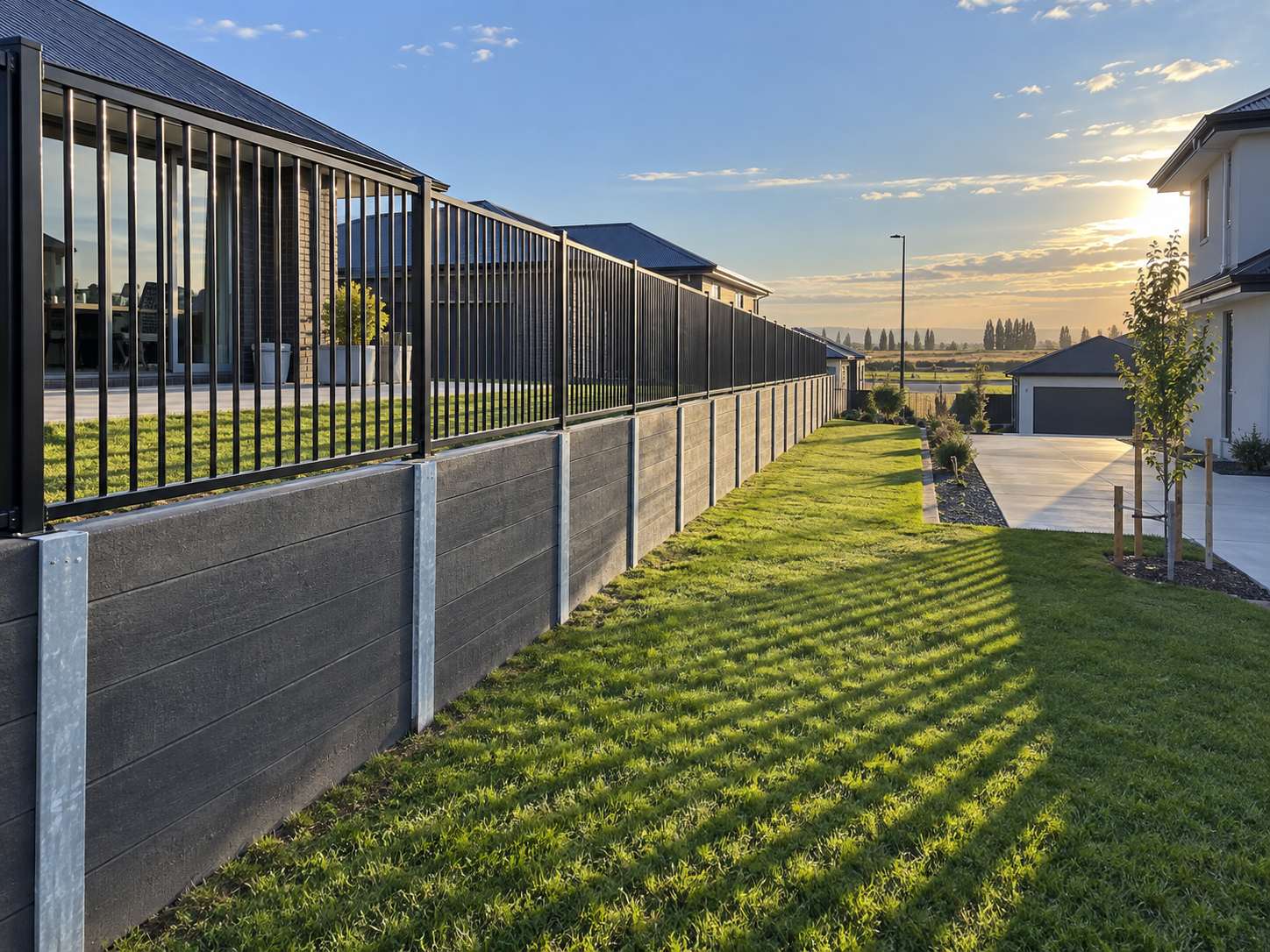
Get a price for wall stabilisation in Lower Hutt
Free site visit, a fixed written quote, and a straight answer on what the wall actually needs.
Start your quote
Four questions and you are done.